Bridging Ages Through Shared Skills

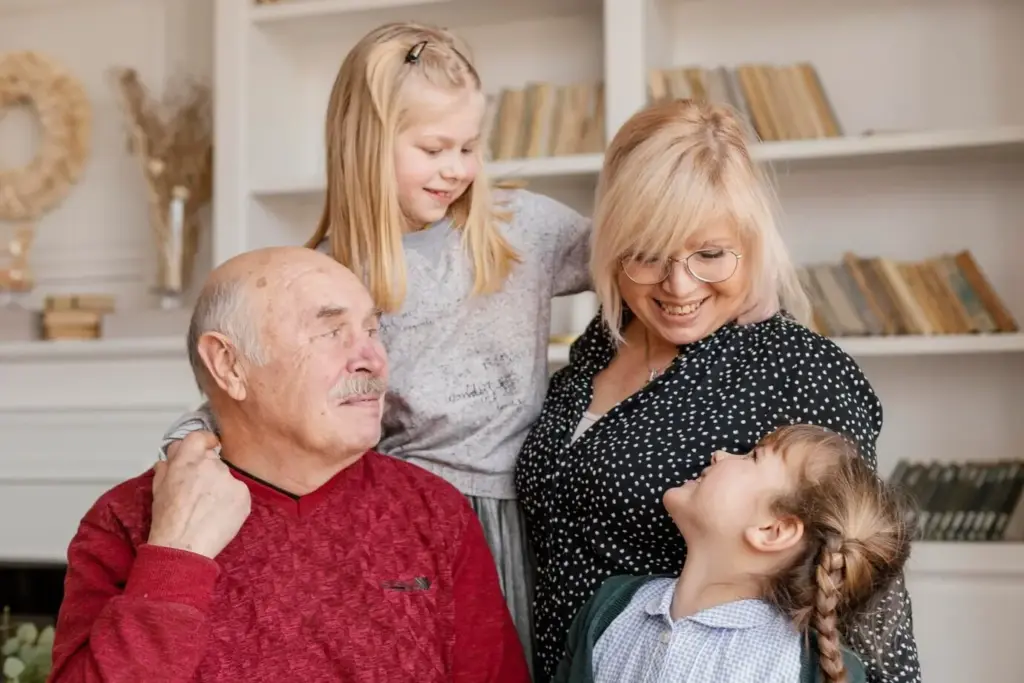
Today we explore community skill swaps across generations, where teens, parents, and elders exchange practical know-how in welcoming circles. Expect hands-on frameworks, real stories, and playful experiments that build confidence, purpose, and friendship. Bring your curiosity, share a talent, learn another, and help neighbors thrive together by trading wisdom, time, and encouragement. Tell us what you can teach or hope to learn in a quick message, and subscribe for monthly prompts, community shout-outs, and simple guides that help your circle start strong and keep friendships growing steadily.

Why Skill Swaps Work

When neighbors teach neighbors, value flows in every direction. These exchanges transform isolated abilities into shared resilience, mixing fresh perspectives with seasoned techniques. They activate social capital, reduce loneliness, and replace transactional mindsets with generosity. Children witness collaboration, elders feel needed, and everyone gains dignity through contributed effort and witnessed growth.

Designing Your First Exchange Circle
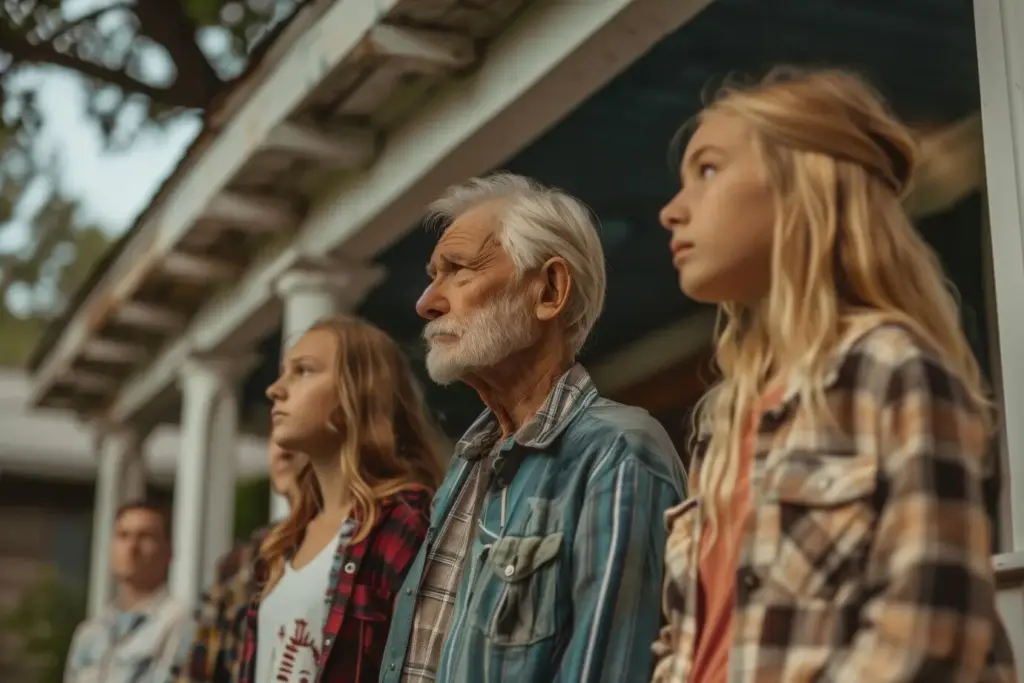
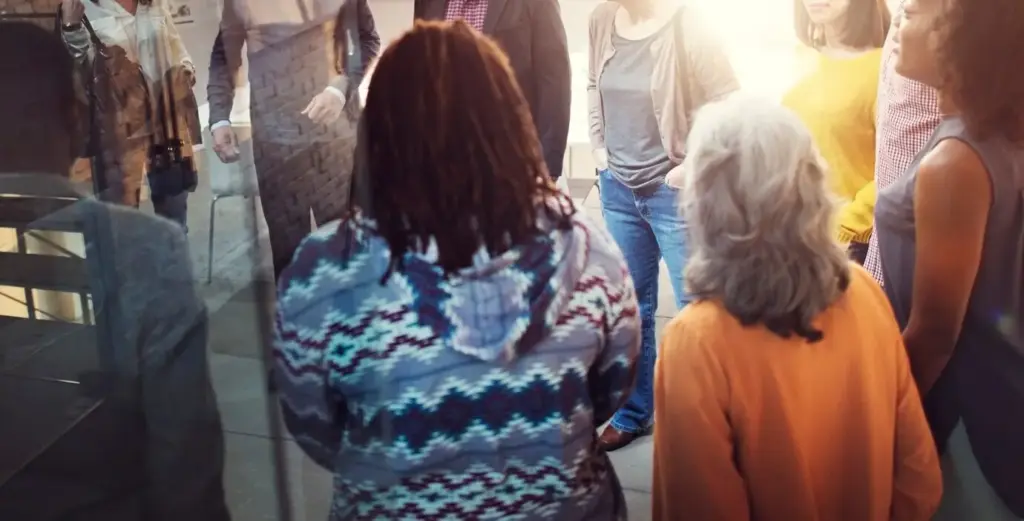
Start small, meet regularly, and keep agreements visible. Invite varied ages, interests, and languages, then map who can teach and what they hope to learn. Choose safe, accessible spaces, rotate hosts, provide snacks, and celebrate progress. Share schedules clearly, honor boundaries, and welcome feedback with gratitude.

Stories From Porches, Libraries, and Parks

Real moments keep these efforts alive. A rainstorm moved an outdoor lesson into a laundromat, where strangers joined between rinse cycles. A quiet teen explained spreadsheets to gardeners tracking harvests. A ninety-year-old whistled while teaching mending, proving that rhythm and patience stitch courage into everyday fabric.

The Saturday Bike Clinic

Four generations gathered under a pop-up tent, passing tire levers like batons. A preschooler counted spokes, a college mechanic explained torque, and an elder described the freedom of her first bicycle. Every repaired brake felt like a promise that independence and interdependence can roll together confidently.

Dumplings and Digital Fluency

In the community room, flour dusted phone screens while grandmothers taught pleating techniques and teenagers untangled privacy settings. Between laughter, recipes and security tips were recorded side by side. Later, they co-hosted a pop-up, selling dumplings online, modeling practical entrepreneurship powered by shared patience and reciprocal discovery.

From Shy to Show-and-Tell

A middle-schooler arrived silent, hiding behind headphones. After learning soldering basics, he offered to fix a neighbor’s loose wire, then explained polarity using colorful candy. Weeks later, he presented to sixty people, cheeks flushed with pride, and invited others to bring broken gadgets for practice.

Low-Tech Works Beautifully

Index cards, clipboards, and a jar for time credits can outperform complicated apps. Visible boards show who needs help and who can offer it today. People linger, chat by the table, and schedule sessions immediately, turning logistics into lively conversation rather than intimidating, lonely forms.

Digital Hubs Done Right

If you prefer online coordination, choose accessible platforms with clear privacy controls. Create welcoming profiles, highlight pronouns, and encourage photos of projects rather than faces. Post session recaps, safety reminders, and sign-up links. Moderate kindly, remove spam quickly, and protect newcomers so courage remains intact.

Agreements That Feel Human

Replace dense waivers with plain-language commitments: respect, patience, safety, and leave-no-trace. Offer opt-in badges to signal background checks or first-aid training. Use color stickers for comfort levels with photos or touch. These gentle signals lower anxiety and invite participation from cautious folks without endless paperwork.

Measuring Impact Without Killing the Joy

Data should serve relationships, not overshadow them. Track simple indicators: attendance, skill diversity, repeat participation, and neighbor-to-neighbor requests fulfilled. Combine numbers with stories and photos of finished projects. Share results publicly, invite suggestions, and adapt gently so accountability strengthens trust rather than creating pressure or performative hustle.

A Tiny, Honest Tracker

Use a one-page log capturing who taught, who learned, what changed, and one memorable quote. Include a feeling scale with emojis to spot burnout early. Review monthly, celebrate progress, and ask the group which tweaks would make exchanging skills easier, safer, and more delightful next time.

Listening Sessions That Heal

Facilitate short circles where each person shares highlights, challenges, and wishes. Give a talking piece, build pauses, and end with appreciations. Patterns will surface gently, guiding improvements without blame. People leave heard, eager to return, and ready to invite friends who value careful conversation and care.

Celebrate, Don’t Perform

Host share-outs centered on gratitude, not perfection. Display before-and-after photos, play short audio testimonials, and applaud brave attempts. Offer popcorn awards for most surprising pairing or most generous helper. Joyful recognition motivates attendance and tutoring offers more reliably than competitive prizes or anxious, high-stakes demonstrations.

Inclusive Practices That Welcome Everyone

Accessibility is generous design in action. Provide chairs with backs, quiet corners, large-print handouts, and gender-neutral restrooms. Translate materials, avoid jargon, and allow slower pacing without eye-rolls. Offer childcare stipends or a supervised play table. Normalize breaks, honor pronouns, and model consent so comfort guides participation.

Design For Bodies And Brains

Plan for mobility aids, sensory needs, and neurodiversity. Provide soft lighting, clear signage, fidget tools, and captions on videos. Keep instructions step-by-step, offer printed summaries, and respect silence as participation. When people feel physically safe and mentally supported, learning and teaching naturally become adventurous, playful, and satisfying.

Multiple Languages, Shared Meaning

Invite multilingual neighbors to co-facilitate, and print key phrases side by side. Encourage gestures, drawings, and demonstrations when words are tricky. Laughter carries across grammar differences, and patience expands vocabulary. The result is deeper relationships, wider access, and delightful cross-pollination that strengthens every future exchange, lesson, and friendship.

Care For Power Dynamics

Set gentle facilitation norms that rotate spotlight time, invite questions from newcomers first, and protect space for quieter voices. Intervene kindly when dismissive behavior appears. Model apologies and repair. Over time, these habits create reliability, making risky moments feel survivable and shared, rather than isolating or shaming.
Helorimastia
Privacy Overview

This website uses cookies so that we can provide you with the best user experience possible. Cookie information is stored in your browser and performs functions such as recognising you when you return to our website and helping our team to understand which sections of the website you find most interesting and useful.