Hands That Remember, Voices That Carry

Today we dive into preserving cultural heritage through intergenerational craft and storytelling exchanges, celebrating the way skills, objects, voices, and memories move between elders and youth. Expect practical guidance, heartfelt examples, and invitations to join gatherings where stitches, grains, and spoken histories keep communities alive. Share a memory in the comments, subscribe for workshop prompts, and invite a neighbor to learn beside you.

Roots in Motion: Why Making and Telling Travel Together

Craft practices travel not only through techniques but through meanings carried in lullabies, proverbs, and workshop laughter. When making meets storytelling, learners absorb context, purpose, and pride, not just procedures. This coupling preserves delicate nuances, honors ancestors, and empowers newcomers to adapt traditions ethically without breaking the lineage that gives each gesture life.

From Grandmother’s Loom to New Hands

A grandmother once taught a neighbor’s child to warp a simple loom while recalling migrations traced in dyed threads. The learner copied the motions, then the pauses, sensing weather, seasons, and family grief embedded in color choices. Technique arrived together with a map of belonging.

Stories as the Pattern Beneath the Pattern

Every pattern whispers a reason: a prayer for rain, a playful boast, a warning disguised as humor. By telling these stories during instruction, mentors turn repetition into remembering. The pattern under the pattern reveals why certain knots hold, and why others must be left loose.

The Apprenticeship Circle

Learning loops form when new practitioners share back what they grasped, correcting themselves aloud and inviting elders to refine details. This conversational cadence strengthens memory, raises confidence, and documents choices. Circles build responsibility: everyone becomes both student and teacher, sustaining practice through shared stewardship and joy.

Designing Gatherings That Welcome Every Generation

Good exchanges begin with thoughtful logistics: times that honor caregiving schedules, venues with sunlight, and tools that fit different hands. Hospitality, snacks, and translation services matter as much as lesson plans. Welcoming design turns scattered neighbors into collaborators who feel safe enough to experiment and remember.

Table Layouts That Encourage Side-by-Side Learning

Arrange tables so elders sit beside youth, not across an invisible divide. Provide height-adjustable stools, magnifiers, and quiet corners for concentration. Stations for washing hands and organizing materials slow the pace pleasantly, giving space for stories to surface between careful, unhurried movements and curious questions.

Timekeeping That Respects Slowness and Spark

Time flows differently for repair, weaving, carving, or kneading. Build sessions with soft start windows and generous endings, letting people arrive from work or school without shame. Include short reflection breaks where participants note what felt difficult, beautiful, or funny, strengthening memory through emotion and shared laughter.

Accessibility That Invites Everyone In

Plan with wheelchair access, clear signage, childcare corners, and multiple language options. Offer tactile samples for low-vision learners and captioned videos for those who prefer watching. Accessibility is hospitality in action, showing every neighbor their presence is expected, valued, and needed for the circle to hold.

Listening with Care: Oral History Tools and Trust

Recording stories preserves detail, but trust preserves dignity. Begin by clarifying purpose, ownership, and how recordings will be protected. Choose simple devices people can handle themselves. When storytellers feel agency, their memories flow more richly, connecting skills, places, and ancestors in ways that outlast quick notes.

Hands-On Skills That Carry Memory

Certain techniques encode survival: how to fix what breaks, stretch scarce resources, and mark rites of passage with beauty. Teaching these skills alongside their stories restores confidence and practical resilience, reminding communities that heritage is not display-only; it breathes each time someone mends and makes.

Bridging Analog and Digital Without Losing Soul
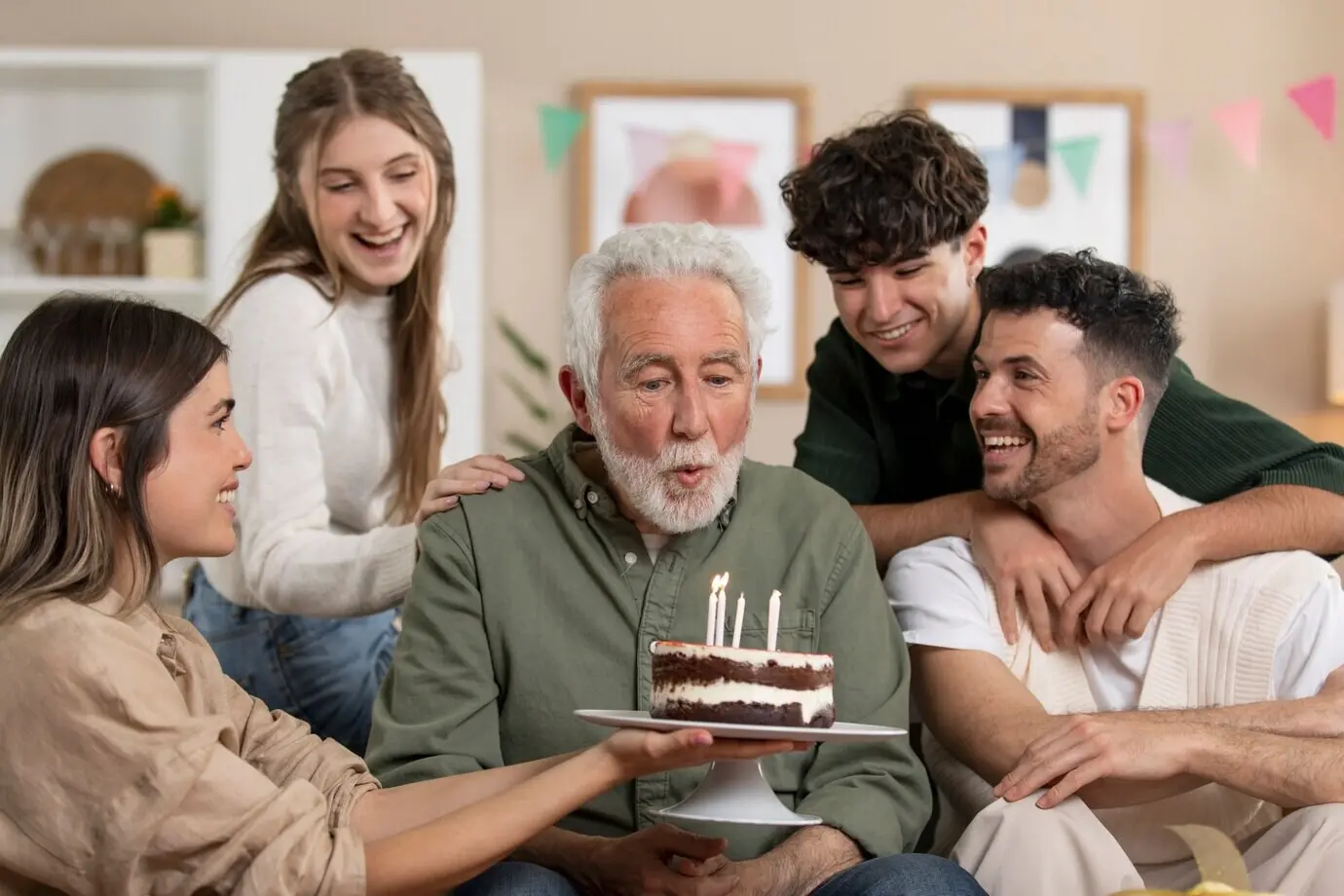
Digitization can extend access when communities choose their boundaries. Scanning patterns, photographing hands in motion, and recording songs create backups for fragile archives. Yet the heart stays in workshops and kitchens. Balance convenience with consent, ensuring that screens amplify relationships rather than replace them.

Digitizing Textiles, Weaving Metadata

High-resolution photos reveal stitch paths, while short videos capture rhythm and breath. Metadata—names, dates, local terms, and permissions—turn files into teachable companions. Treat each entry like a label sewn into a garment, helping future hands trace origin, meaning, and proper ways to request use.

Community Archives and Stewardship

Community-controlled servers, cooperative archives, or partnerships with local libraries keep guardianship close to home. Train stewards to manage backups, rotate passwords, and audit access logs. The people who carry the culture should also carry the keys, balancing openness with responsibilities shaped by custom.

Sharing Online with Care

Posting a process clip can inspire diaspora youth, yet some songs are not for public stages. Establish community guidelines for sharing, crediting, and asking permission. Encourage comments that add memories or corrections, turning feeds into living footnotes instead of hollow applause counters.

Sustaining the Work: Funding, Partnerships, and Joy
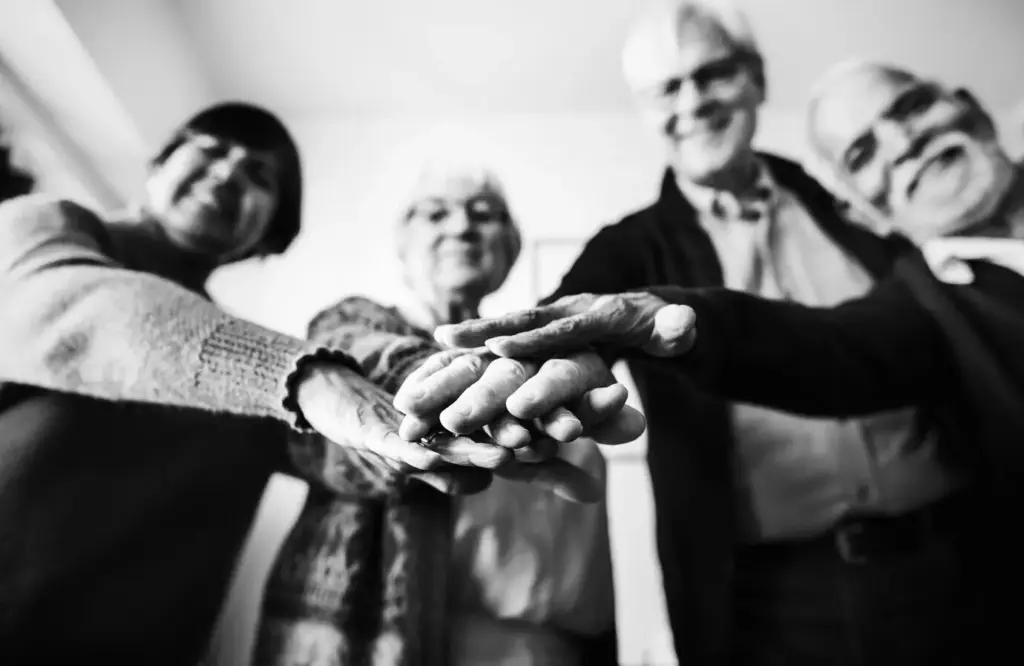
Long after the first workshop, momentum depends on relationships. Mix small grants with member dues, barter, and potluck energy. Celebrate milestones with exhibitions or community meals. Joy fuels continuity, attracting partners who respect process over spectacle and who understand that slow growth protects integrity.

Microgrants and Coffee-Tin Budgets

Start where you are: pass a hat, sell a small zine, or offer sliding-scale tickets for a mending night. Document expenses transparently and share successes publicly. Modest budgets, honestly stewarded, build trust faster than grand promises that never quite arrive.

Schools, Libraries, and Maker Spaces

Invite teachers from schools, librarians with local archives, and maker space coaches to co-host sessions. Shared calendars prevent overlap and strengthen attendance. Together you can borrow equipment, exchange volunteers, and open pathways for students to earn credit while learning right beside their neighbors.
Helorimastia
Privacy Overview

This website uses cookies so that we can provide you with the best user experience possible. Cookie information is stored in your browser and performs functions such as recognising you when you return to our website and helping our team to understand which sections of the website you find most interesting and useful.