Where Neighbors Teach Neighbors: Library Workshops That Bridge Generations
Today we explore Public Libraries as Hubs for Multi-Age Skill Sharing Workshops, celebrating how quiet stacks become lively studios where a grandparent’s quilting wisdom meets a teen’s coding ingenuity. Expect practical room designs, facilitation playbooks, evaluation ideas, and real stories you can adapt. Bring your curiosity, your patience, your favorite notebook, and a willingness to learn from people older and younger than you—because every table becomes a classroom, and everyone carries a skill worth sharing.
Designing Welcoming Spaces for Shared Learning
A successful workshop begins before the opening greeting, with thoughtful space that whispers welcome to every age and ability. Consider sightlines, acoustic balance, and the choreography of materials so novices feel brave and seasoned makers feel honored. Create zones that encourage mentorship, allow comfortable observation before participation, and provide gentle ways to step in or step back. When room design lowers anxiety, strangers become collaborators, and the library’s promise of belonging becomes visible.

Flexible Zones That Invite Curiosity
Use mobile whiteboards, rolling shelves, and adjustable tables to morph between demonstrations, small-group making, and quiet reflection. Mark a discovery table for touch-friendly samples, and a mentorship corner where pairs naturally form. Keep pathways wide for strollers and walkers. Include standing options for restless teens and soft seating for long conversations. A small welcome cart with name tags, pencils, and a friendly prompt lowers barriers so questions feel natural and participation feels safe.

Materials, Kits, and Safe Experimentation
Curate kits that travel well: sewing machines with color-coded bobbins, beginner robotics sets, basic solder stations, seed-saving envelopes, and craft scissors that fit little and arthritic hands. Pair each kit with laminated quick-start guides using large fonts and clear diagrams. Offer a five-minute safety huddle before tinkering begins, modeling calm, respectful caution. Keep first-aid and spill supplies visible, not hidden, signaling preparedness without fear. When tools feel approachable, creativity flourishes across generations.
Teens Teach Tech; Seniors Share Analog Wisdom
Set up a rotating clinic where teens coach on smartphone privacy, podcast basics, or simple photo editing, while seniors demonstrate handwriting analysis, letter-writing etiquette, or maintaining a sourdough starter. One Saturday, Jamal explained two-factor authentication; afterward, Mrs. Ortiz taught him to hem his jeans. Both left proud, empowered, and newly curious about each other’s worlds. Schedule brief, repeatable modules so every visit rewards participants with quick wins and respectful, memorable conversations.
Craft Crossovers: From Crochet to Circuitry
Blend soft crafts and electronics to reveal shared logic: patterns, patience, and iteration. A crochet circle can stitch conductive thread into wristbands that light with tiny LEDs. A woodcarver can mentor sanding techniques while a robotics club experiments with sensor housings. Provide a cross-material glossary that demystifies terms for both camps. Celebrate happy accidents, documenting them on a communal idea wall. When textiles meet wires, the room learns that creativity travels faster than labels.
Language Bridges and Story Exchanges
Invite bilingual neighbors to host gentle conversation hours pairing kids practicing reading with adults polishing pronunciation. Add a short artifact moment where someone brings a recipe card, ticket stub, or photograph, and tells a two-minute story. Record permissions thoughtfully and archive clips in a community vault. These small exchanges turn pronunciation drills into cultural windows, build patience, and create a living library of voices. Learning a phrase becomes learning a person, and that changes everything.
Facilitating Trust, Respect, and Momentum
Great facilitation is quiet magic. It draws out shy participants, protects brave questions, and makes newcomers feel like regulars. Begin with clear expectations, model curiosity, and trade expertise for humility. Keep energy flowing by alternating demonstration with doing, conversation with making, and solo work with pair practice. Train volunteer hosts to monitor pacing, read body language, and recognize learning fatigue. With gentle structure and generous listening, skill sharing becomes a circle where everyone grows together.
Ground Rules That Empower Confidence
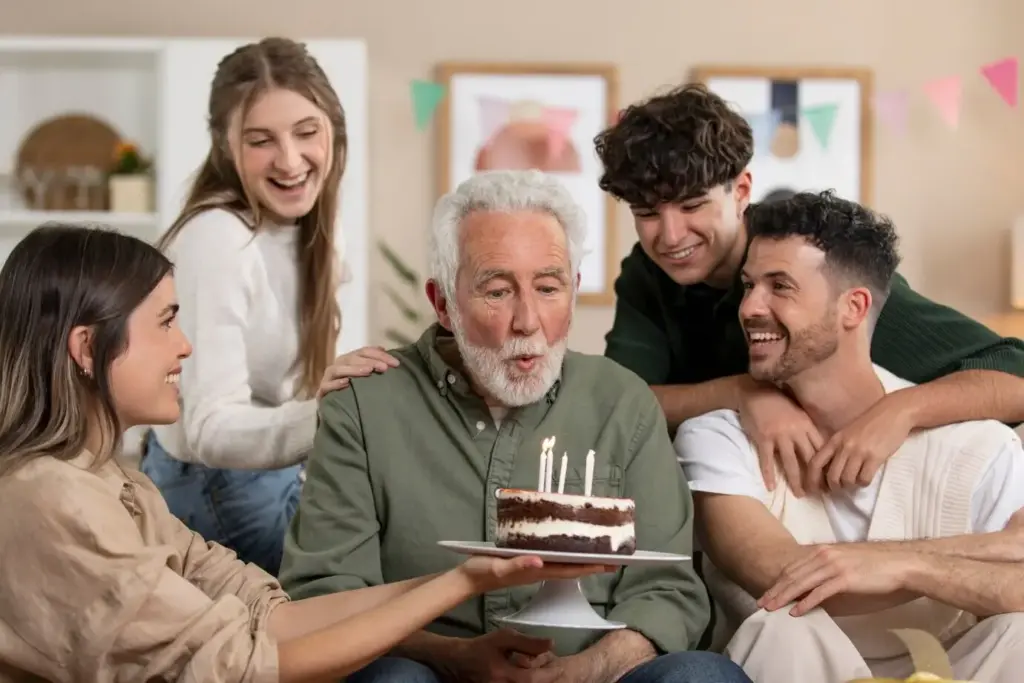
Open with three visible commitments: ask before touching, explain without judgment, and pause to include every voice. Encourage participants to narrate steps aloud so others can follow. Offer a parking lot board for off-topic questions, promising to return later. Use a kitchen-timer rhythm to keep explanations crisp. When people know the container is kind yet structured, they risk trying, they admit confusion, and they cheer for each small success—exactly the trust workshops need to thrive.
Icebreakers with Purpose, Not Pressure
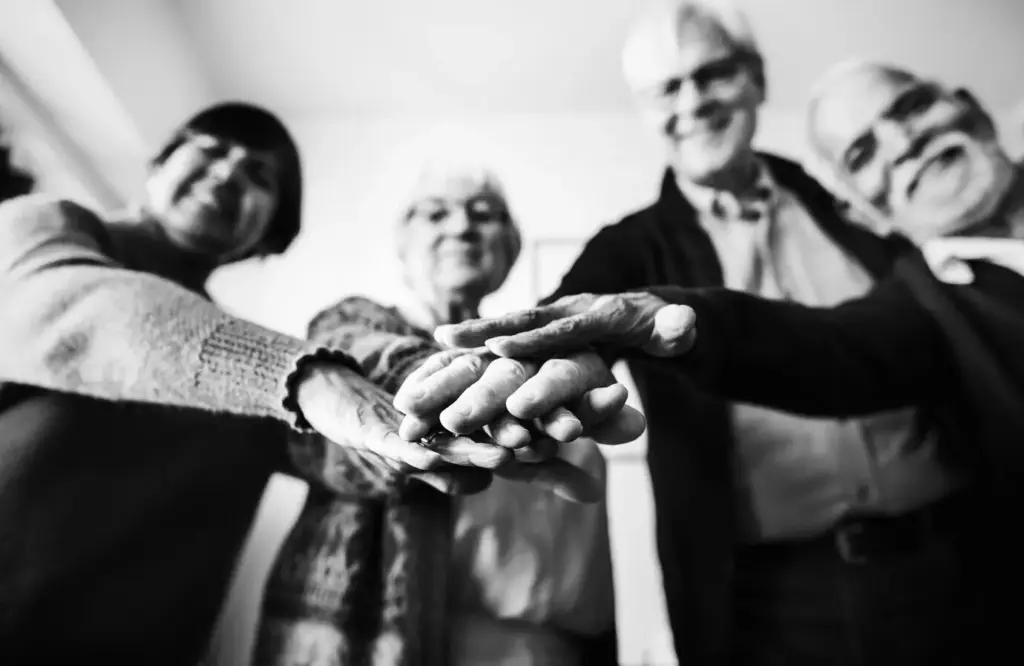
Swap awkward introductions for meaningful micro-activities. Ask pairs to teach each other a tiny, harmless skill in sixty seconds: a knot, a keyboard shortcut, or a breathing technique. Then reflect on what made teaching effective. These playful starts lower defenses, surface strengths, and set the tone for mutual respect. Keep options opt-in to honor comfort. The best icebreakers leave people smiling, already learning, and ready to build on the momentum with real tasks.
Tracking Outcomes Without Losing Soul
Accountability matters, but numbers should serve people, not replace them. Blend simple metrics with narrative evidence: attendance, diversity of ages, volunteer hours, repeat participation, and skill confidence ratings alongside quotations, photos, and artifacts created. Aggregate lightly and act quickly on what you learn. Share results back with participants so they see their impact. When evaluation stays humane and transparent, trust grows, funding conversations become easier, and workshops keep improving without becoming box-checking exercises.
Track before-and-after self-assessments using plain language scales like I can try this alone or I could teach a friend. Note intergenerational pairings, not just headcounts. Measure retention by counting returning faces and new mentors emerging. Include accessibility indicators: quiet space utilization, captioned videos, and adaptive tool checkouts. The best metrics illuminate momentum and reveal where gentle adjustments will unlock even more belonging and learning for the next gathering.
Invite micro-feedback at three points: a midpoint sticky note with one request, a closing reflection card, and a next-time idea board. Thank people by name when their suggestions shape improvements. Publish one visible change per month so momentum feels tangible. Treat feedback as a shared design studio, not a complaint box. Iteration signals respect, converting attendees into co-creators who return because they see their fingerprints on the evolving experience.
Host quarterly showcases where participants demo projects, from repaired lamps to family recipe zines. Invite local media and city leaders, but keep the tone neighborly. Build a mini-gallery with maker statements describing challenges overcome and skills gained. Offer thank-you certificates for mentors of every age. These celebrations anchor memories, attract new collaborators, and tell a generous story of what libraries unlock when communities teach each other with patience and pride.

Partnerships, Grants, and Community Fuel
Stronger together is not a slogan here; it is infrastructure. Libraries stitch alliances with schools, senior centers, youth clubs, local artisans, and civic departments to widen reach and resources. Grants grow from documented community demand and clear equity goals. Sponsors supply materials while respecting public purpose. Volunteers expand capacity when trained and valued. With smart partnerships, workshops become sustainable, imaginative, and resilient—able to weather budget swings and still welcome every learner who walks in.
Inclusion, Safety, and Access for Everyone
Universal Design, Quiet Corners, and Sensory Care
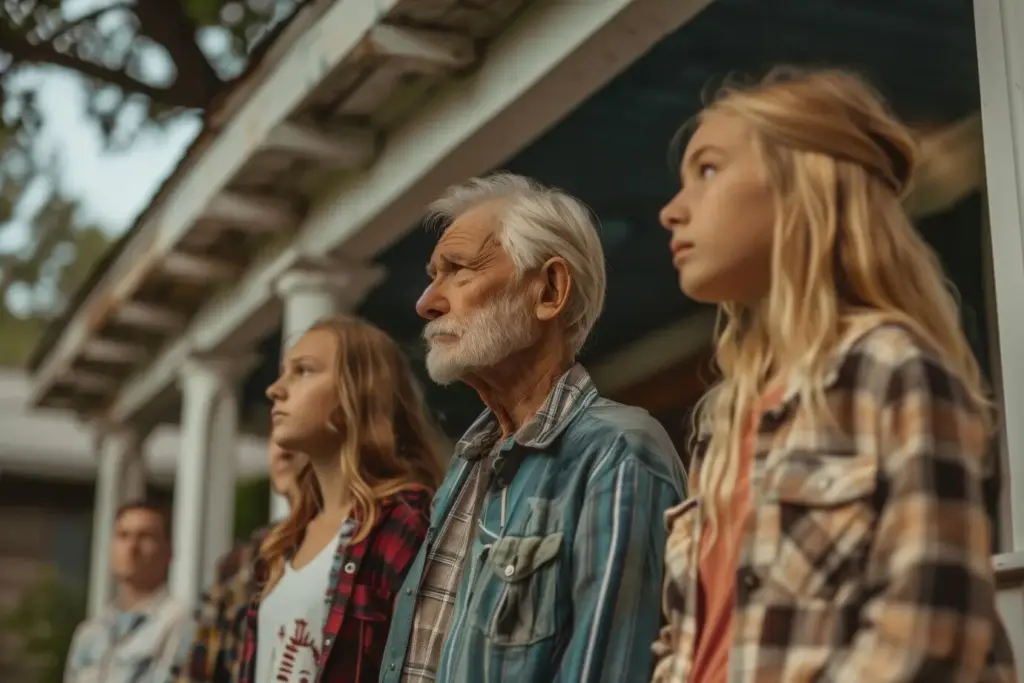
Equip rooms with adjustable lighting, low-scent policies, and visual schedules. Provide noise-dampening headphones, fidget tools, and a clearly marked retreat nook where anyone can reset without stigma. Ensure captions on videos, large-print handouts, and high-contrast signage. Invite participants to share access needs privately in advance. When each body and brain can participate comfortably, learning stops being a privilege and becomes what it should be: a friendly, shared human rhythm available to everyone.
Safeguarding Guidelines and Consent Culture
Adopt child and elder protection protocols, including background checks for mentors and never-one-on-one policies in secluded areas. Teach consent explicitly: ask before photographing, touching, or sharing stories. Use consent cards for recording permissions and honor no without explanation. Display the reporting pathway and response timeline. This clear structure protects participants and volunteers, builds confidence, and ensures that the joy of making together never outruns the responsibility to care for one another thoughtfully.
Getting There: Timing, Transit, and Childcare
Design a schedule map that respects bus timetables, shift work, and religious observances. Offer weekend repeats and short, lunch-break versions. Partner with transit for passes or route information cards. Provide stroller parking, bottle-friendly corners, and clear wayfinding from the entrance to the workshop room. If childcare is impossible, create kid-safe side activities. Reducing friction turns maybe into yes, especially for working caregivers, teens without cars, and elders relying on predictable, accessible routes.
Join the Circle and Keep the Learning Alive
Your skills belong here, whether you can bind a simple book, debug a wobbly spreadsheet, or coax tomatoes to thrive in a balcony pot. Add your name to the mentor roster, propose sessions, and tell us what you want to learn next. Share a story about a neighbor who taught you something small but unforgettable. Subscribe to the calendar, invite a friend, and help the library remain the warmest workshop in town.
All Rights Reserved.